
Q: Okay, first things first – what exactly is FIFA?
FIFA stands for the Fédération Internationale de Football Association, which is basically the organization that runs international soccer (or football, as most of the world calls it). They’ve been organizing the World Cup since 1930, when Uruguay hosted the first tournament with just 13 teams. Back then, it was a modest affair – nothing like the global spectacle it’s become. Over the decades, the tournament grew from 16 teams in the 1950s to 24 teams in the 1980s, and then to 32 teams in 1998, where it stayed until now.
Q: So what’s the big deal about 2026?
This World Cup is breaking all the records. For the first time ever, we’re getting 48 teams instead of 32 – that’s 16 more countries competing for soccer’s biggest prize. We’re also seeing history made with three nations co-hosting: the United States, Canada, and Mexico. This marks the first time the tournament will span three countries and three time zones across North America.
Q: Wait, three countries? How does that even work?
The matches will be spread across 16 cities in all three nations. The U.S. is hosting the bulk of the games with 11 host cities (including the final), Mexico has three cities, and Canada has two. Think of it as the ultimate North American road trip for soccer fans. Cities like New York/New Jersey, Los Angeles, Toronto, Vancouver, and Mexico City will all host matches. The tournament runs from June 11 to July 19, 2026.
Q: You mentioned four “newbies” – what does that mean?
Yes! Four countries have qualified for their very first World Cup ever: Cape Verde, Curaçao, Jordan, and Uzbekistan. Curaçao is especially remarkable as the smallest nation by population to ever qualify for the tournament. These countries have never played in a World Cup before in their entire history, so this is a monumental moment for their fans. Imagine watching your country compete on the world’s biggest sports stage for the first time ever – that’s what millions of fans from these nations will experience in 2026.
Q: How is 2026 different from the last three World Cups?
Let’s break it down. Russia 2018 and Qatar 2022 both had 32 teams and were hosted by single countries. The 2018 tournament saw France win their second title, while Argentina claimed victory in 2022. The 2026 edition jumps to 48 teams with 104 matches total (compared to 64 matches previously). That means more drama, more upsets, and more Cinderella stories. The format also changes, with 16 groups of three teams each, making every match absolutely critical.
Q: What does this mean for North America specifically?
This is transformative for soccer in our region. The 1994 World Cup in the U.S. helped launch Major League Soccer, and 2026 promises an even bigger impact. Expect soccer fever to sweep across all three countries, with millions of visitors, billions in economic impact, and a new generation of fans. For Canada, this is only their third World Cup appearance ever and their first time hosting. Mexico, a soccer powerhouse, gets to showcase its passionate fan culture on home soil once again.
Q: Will FIFA keep expanding in the future?
While nothing’s set in stone, the success of 2026 will likely influence future tournaments. FIFA has already committed to the 48-team format for 2030, which will be co-hosted by Spain, Portugal, Morocco, Argentina, Paraguay, and Uruguay (celebrating the World Cup’s 100th anniversary). The trend seems clear: bigger tournaments, more host nations, and broader global representation. Whether that’s sustainable long-term remains one of soccer’s biggest debates, but for now, the World Cup is going supersized.
Q: What is the National Soccer Development Centre and who will be using it during FIFA?
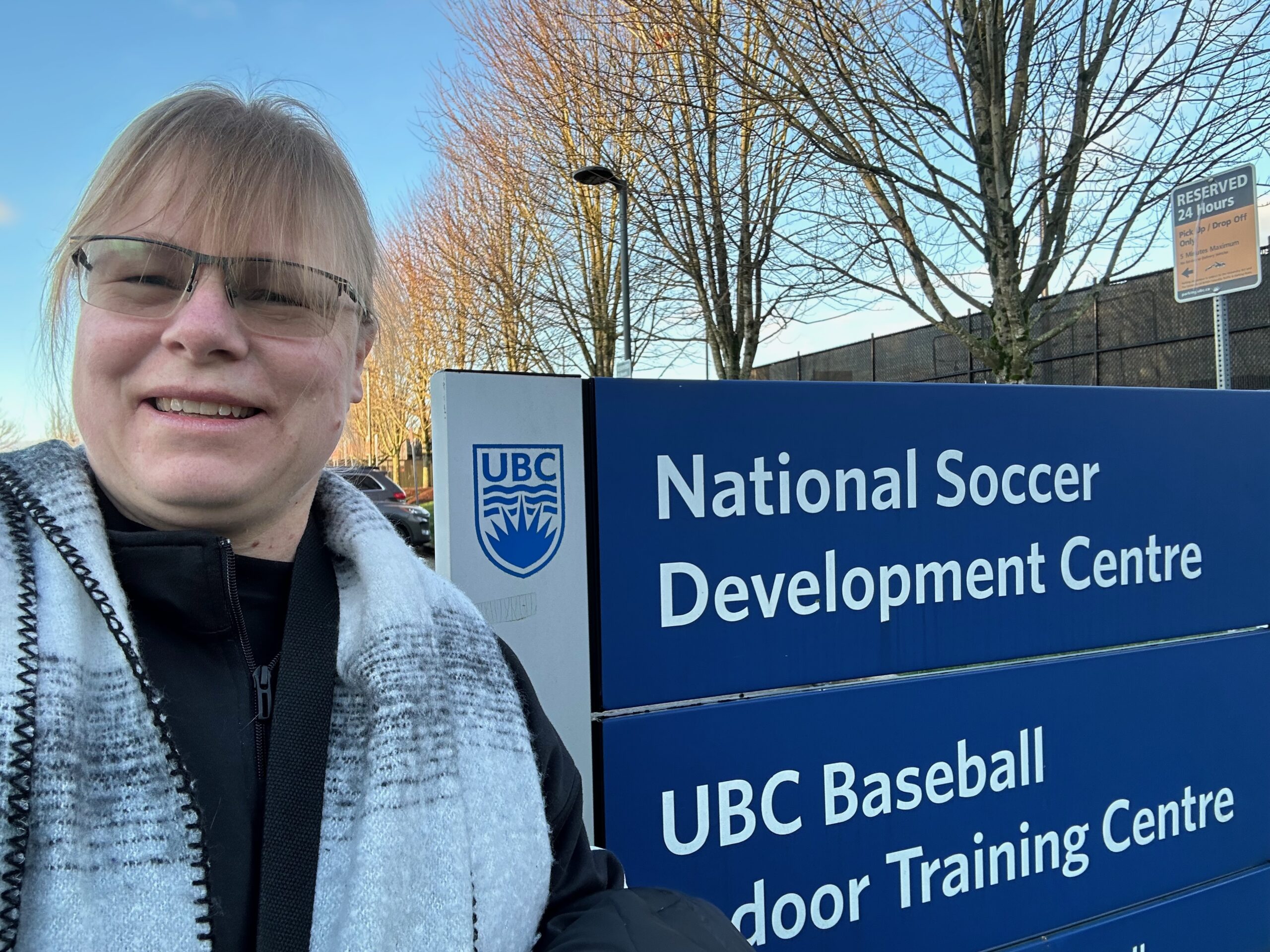
The National Soccer Development Centre is a state-of-the-art facility located at the University of British Columbia that features three grass fields, two artificial turf fields, and a three-story fieldhouse. During the 2026 World Cup, it will serve as one of Vancouver’s official training sites where international teams playing at BC Place Stadium will prepare for their matches. It’s also expected to function as a base camp for the Canadian Men’s National Soccer team, giving them a place to stay and train before their games. Think of it as a world-class practice facility where teams can fine-tune their skills and strategies away from the crowds. It’s similar to other training centers being built or upgraded across North America specifically for the tournament, ensuring visiting teams have top-tier facilities to prepare for the biggest matches of their lives.
Q: What is BC Place Stadium in Vancouver and who will be playing there?
BC Place Stadium is Vancouver’s premier sports venue with a capacity of 54,000 fans and a spectacular retractable roof. Originally built in 1983, the stadium got a major facelift after the 2010 Winter Olympics and now boasts the world’s largest cable-supported retractable roof. It’s home to the Vancouver Whitecaps soccer team and the BC Lions football team. During the 2026 World Cup, BC Place will host seven matches including two Canadian national team games. Confirmed teams playing in Vancouver include Australia, Qatar, New Zealand, Egypt, Switzerland, and Belgium, along with Canada. The matches will take place in late June and early July 2026. Think of it as Vancouver’s answer to iconic stadiums worldwide – a modern, versatile venue that’s hosted everything from the 2015 FIFA Women’s World Cup final to NHL Heritage Classic games.

Leave a Reply